
Pakistan receives first October LNG cargo as winter gas shortage fears persist
Al-Areesh resumes supplies at Engro terminal, but a second terminal remains shut and further imports from Qatar are uncertain.
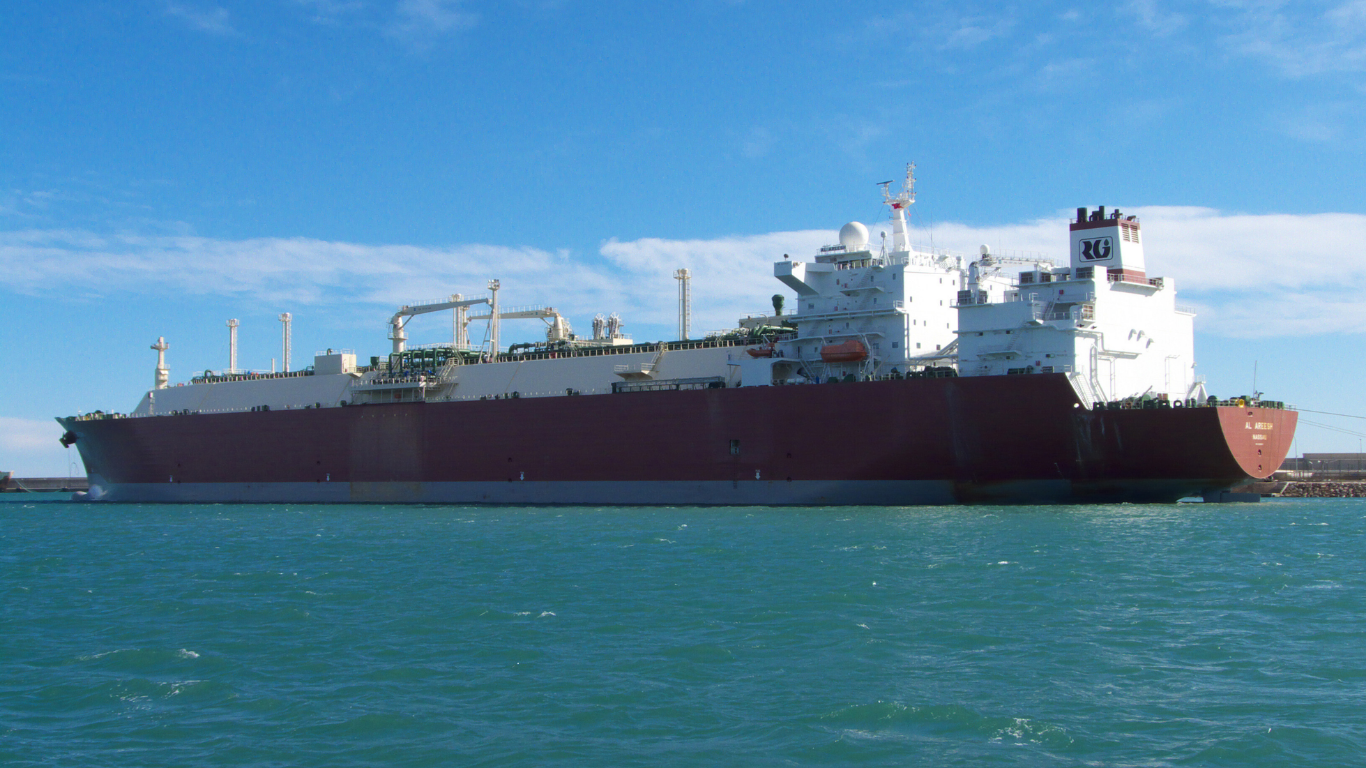
Pakistan received its first liquefied natural gas (LNG) cargo for October on Tuesday, offering some relief to the country’s strained gas supply system, but uncertainty over further shipments continues to raise concerns ahead of winter.
The vessel Al-Areesh berthed at Engro’s LNG terminal at 11:05 a.m. on October 13, with regasification starting at noon at a rate of 150 million cubic feet per day (mmcfd), according to a report published by The News.
The arrival restored operations at Engro’s terminal, which had remained non-operational since September 26 because no LNG vessel was available. However, Pakistan’s second LNG terminal, operated by Pakistan GasPort Limited, also remained shut because of insufficient LNG stocks.
The disruption has affected fuel availability for power generation. Between October 9 and October 13, neither terminal was regasifying LNG, leaving the power sector with a reported supply of around 38 mmcfd for electricity generation as of October 13.
Pakistan is also facing uncertainty over future shipments from Qatar, its main LNG supplier. QatarEnergy declared force majeure in March following attacks on its Ras Laffan production facility and subsequently extended the suspension until November 6.
Authorities are working to arrange additional cargoes, but the latest supply outlook suggests Pakistan may receive only two LNG shipments from Qatar during October, similar to September.
The challenge is expected to intensify as temperatures fall and demand for gas rises. Demand on the Sui Northern Gas Pipelines Limited network is projected to increase from around 500 mmcfd to 1,550 mmcfd during winter, while demand on the Sui Southern Gas Company network could rise from 300 mmcfd to 500 mmcfd.
The Petroleum Division has estimated that 24 LNG cargoes would be required to meet winter demand on the SNGPL network, including supplies for households and the power sector. The government is considering additional procurement options to bridge the expected gap.
The arrival of Al-Areesh has restarted LNG regasification at one terminal, but the shutdown of the second facility, disruptions to domestic gas production and uncertainty over future imports leave Pakistan facing a challenging winter supply outlook.


