Meta bans TikTok ads on its platforms in US and six other countries
Meta has banned TikTok owner ByteDance from advertising on Facebook and Instagram in the US and six other countries. The restriction also covers third-party campaigns promoting TikTok and other ByteDance services, amid intensifying competition for users, creators and advertising revenue.
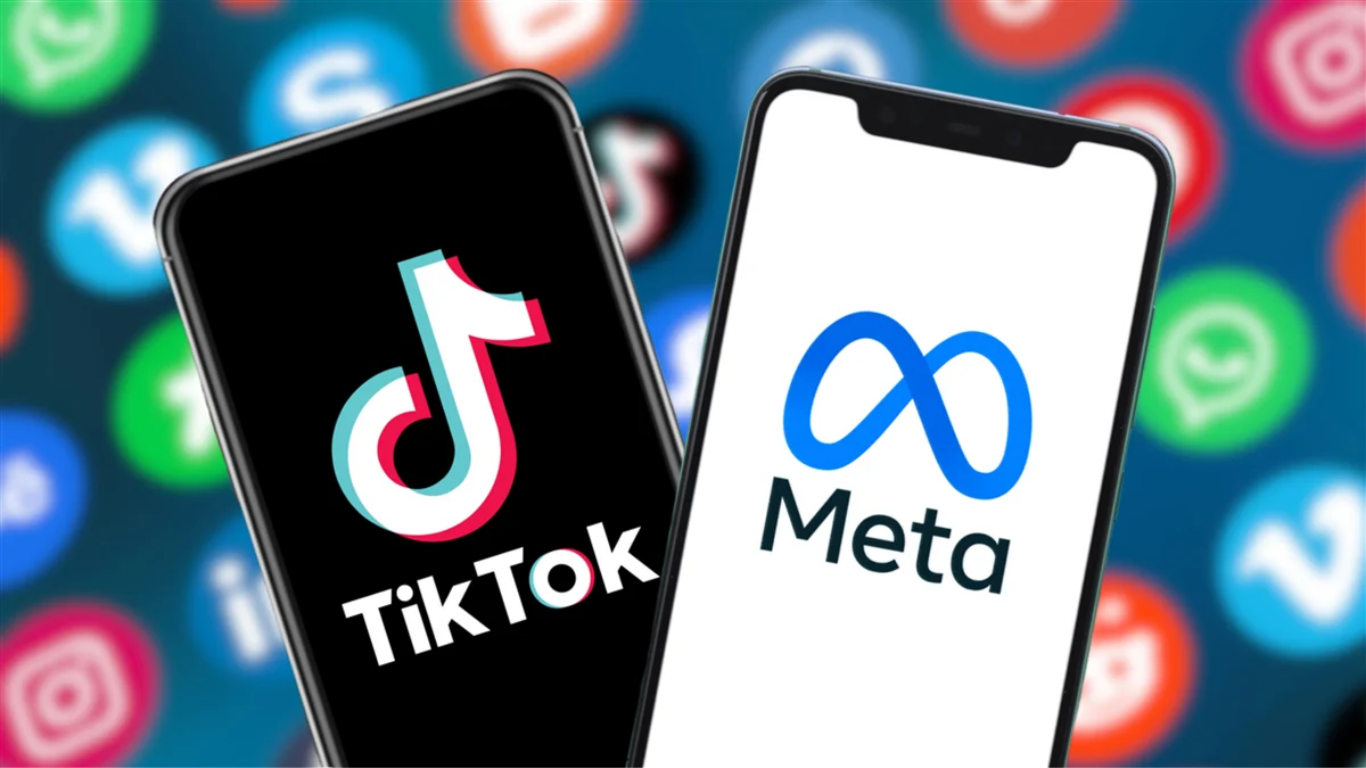
Meta Platforms, the parent company of Facebook and Instagram, has banned advertisements from TikTok owner ByteDance across its platforms in the United States and six other countries, escalating competition between the social media companies.
The restriction took effect immediately on Thursday and applies in the US, Canada, Egypt, Indonesia, Japan, Thailand and Vietnam, Meta said. It also covers third-party advertisers running campaigns that direct users to TikTok and other ByteDance-owned services in those markets, according to Reuters.
The decision does not ban TikTok itself or prevent users from accessing the app. Instead, it stops ByteDance and advertisers promoting its services from buying advertising space on Meta's platforms in the affected countries.
Meta defended the move by saying it was not obliged to provide advertising services to a competitor seeking to draw users away from its apps.
“We don't have to run ads from a competitor whose goal is to pull people off our apps,” the company said, adding that refusing promotional services to a rival was standard business practice and that it would continue competing on product quality and user experience.
TikTok and ByteDance did not immediately respond to requests for comment, Reuters reported.
Meta and TikTok intensify competition
The restriction adds to a long-running rivalry between Meta and ByteDance, whose short-video platform TikTok has become a major competitor for users, content creators and digital advertising revenue.
Meta has invested heavily in Instagram Reels, its short-video service, which competes directly with TikTok for viewers and creators. Both companies rely on advertising as a key source of revenue and compete for the attention of users who increasingly consume short-form video content.
TikTok's website does not support links that automatically open or log users into other social media apps. Users can, however, include links in their profiles directing visitors to other platforms' websites.
Teen safety adds to tensions
The advertising restriction also comes amid disputes over online safety and the protection of younger users.
Meta has urged TikTok and YouTube to adopt stronger safeguards for teenagers after agreeing in August to changes on Facebook and Instagram as part of a settlement with US states over allegations that social media platforms harmed children.
Under the settlement, valued at up to USD 18 billion, Meta agreed to introduce daily usage limits for younger users, restrict nighttime use and strengthen measures to prevent children from accessing age-restricted content.
TikTok has faced similar scrutiny. In September, it reached a settlement with Alabama requiring stronger age-verification measures and new usage limits, resolving claims that the platform endangered children and misled consumers about its safety. TikTok has not publicly commented on Meta's broader campaign for stronger safeguards.
TikTok continues operating in the US
Despite the advertising restriction and regulatory pressure, TikTok continues to operate in the United States through a majority American-owned joint venture under a deal designed to safeguard US user data and avert a nationwide ban.
The app has more than 200 million users in the country, making the US one of its major markets.
Meta's latest move is limited to advertising on its platforms in the seven affected countries. It does not prevent TikTok from running its own service or using other permitted channels to reach audiences.
The restriction nevertheless highlights how competition between major social media companies extends beyond attracting users and creators to controlling the advertising channels that help platforms grow.

