
APTMA urges government to tighten rules on duty-free textile imports
APTMA has urged the government to restrict yarn and fabric imports under the Export Facilitation Scheme, citing rising man-made textile imports, alleged misdeclaration and under-invoicing, and an uneven tax burden on domestic manufacturers.
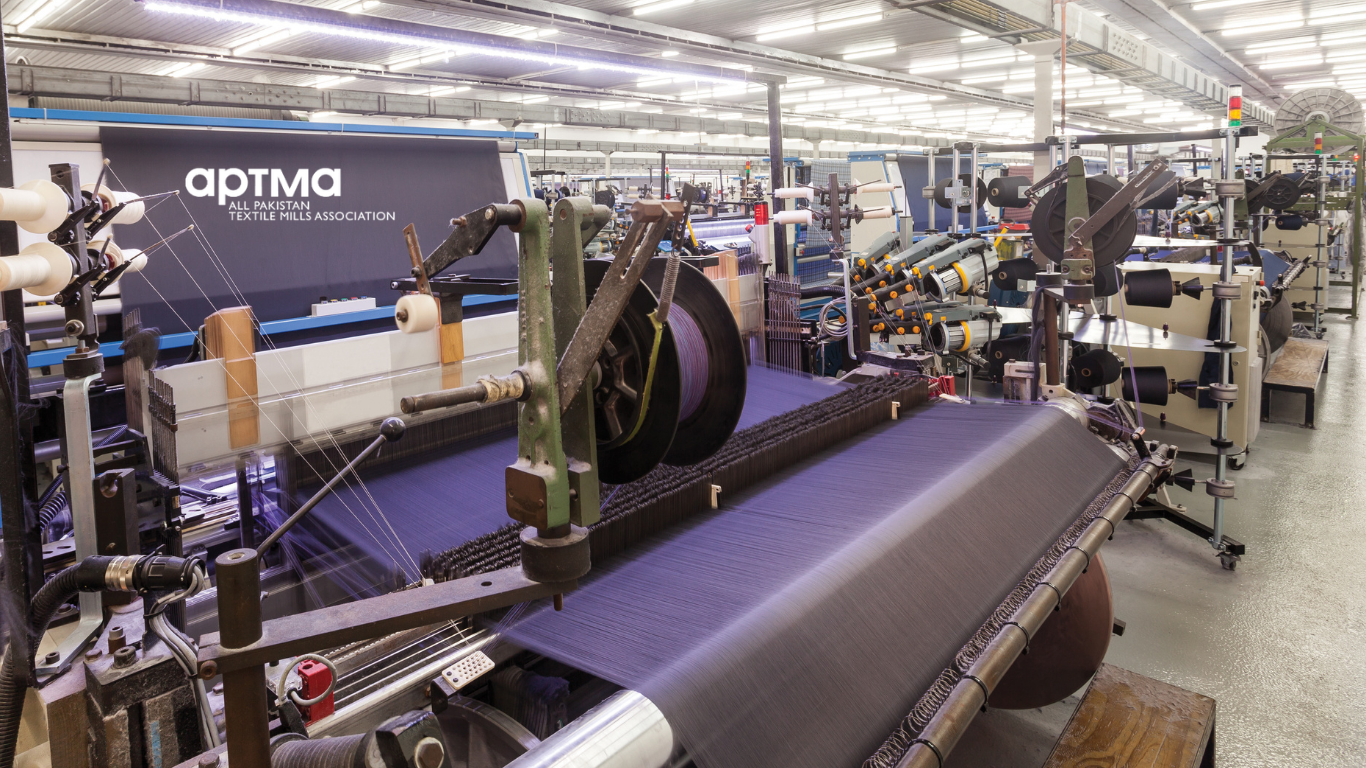
The All Pakistan Textile Mills Association (APTMA) has urged the government to tighten controls on duty-free textile imports, alleging widespread misuse of the Export Facilitation Scheme (EFS) through misdeclaration and under-invoicing of yarns and fabrics.
The association welcomed recent action by Pakistan Customs against violations of the scheme, particularly involving fabric imports, but called for broader measures to protect domestic manufacturers, preserve jobs and prevent losses to government revenue.
Under the EFS, imported inputs qualify for exemptions from customs duty and sales tax. APTMA said this creates an uneven playing field because locally manufactured inputs remain subject to 18% sales tax, making imported materials more competitive and increasing the risk of duty-free goods being diverted into the domestic market.
The association cited a decline in cotton yarn imports following the product's exclusion from the scheme. Imports fell 42% to 21,587 metric tonnes in the first quarter of fiscal year 2026-27, compared with 37,175 metric tonnes in the same period a year earlier.
However, APTMA said imports of man-made yarn and fabrics continued to rise sharply under the scheme. Man-made yarn imports increased from 3,056 metric tonnes in the first quarter of FY2024 to 12,773 metric tonnes in the first quarter of FY2027. Imports of man-made fabrics climbed from 660 metric tonnes to 8,628 metric tonnes over the same period.
The association said synthetic textile exports had not risen correspondingly, raising concerns that some imported materials could be entering the domestic market instead of being used for export-oriented production.
APTMA also alleged that some importers were misdeclaring fabric to bypass restrictions on unbleached greige fabric under the EFS. It cited cases detected by Pakistan Customs in which food colouring was reportedly applied to fabric to make it appear dyed and secure duty and tax exemptions.
The association has called for all types of yarns and fabrics covered by Chapters 52 and 55 of the Pakistan Customs Tariff to be excluded from the scheme, arguing that the move would reduce tax distortions and protect local spinning and weaving operations.
It also raised concerns about the valuation of imported textile products, saying some goods were being declared at artificially low prices or with incorrect quantities and descriptions to evade duties and taxes. According to APTMA, such practices deprive the government of revenue and allow imported products to compete at prices that domestic manufacturers struggle to match, potentially forcing mills to reduce production or shut down.
The association said customs values for many textile products were either missing or outdated. It pointed out that fabric was often valued by weight even though it was commercially traded by the metre.
To address these issues, APTMA proposed quarterly revisions of customs values in consultation with industry representatives, greater use of electronic data exchange between Pakistani and foreign customs authorities to verify import declarations, and a committee comprising the Federal Board of Revenue, APTMA and other stakeholders to identify irregularities and recommend corrective action.
The association urged the government to act promptly, saying stronger enforcement and changes to the scheme were needed to safeguard domestic manufacturing, employment and tax revenue.


