
India raises interest rate for first time in nearly four years
India’s central bank has raised its benchmark interest rate by 25 basis points to 5.50%, its first hike in nearly four years, as inflation, oil prices and pressure on the rupee weigh on the outlook.
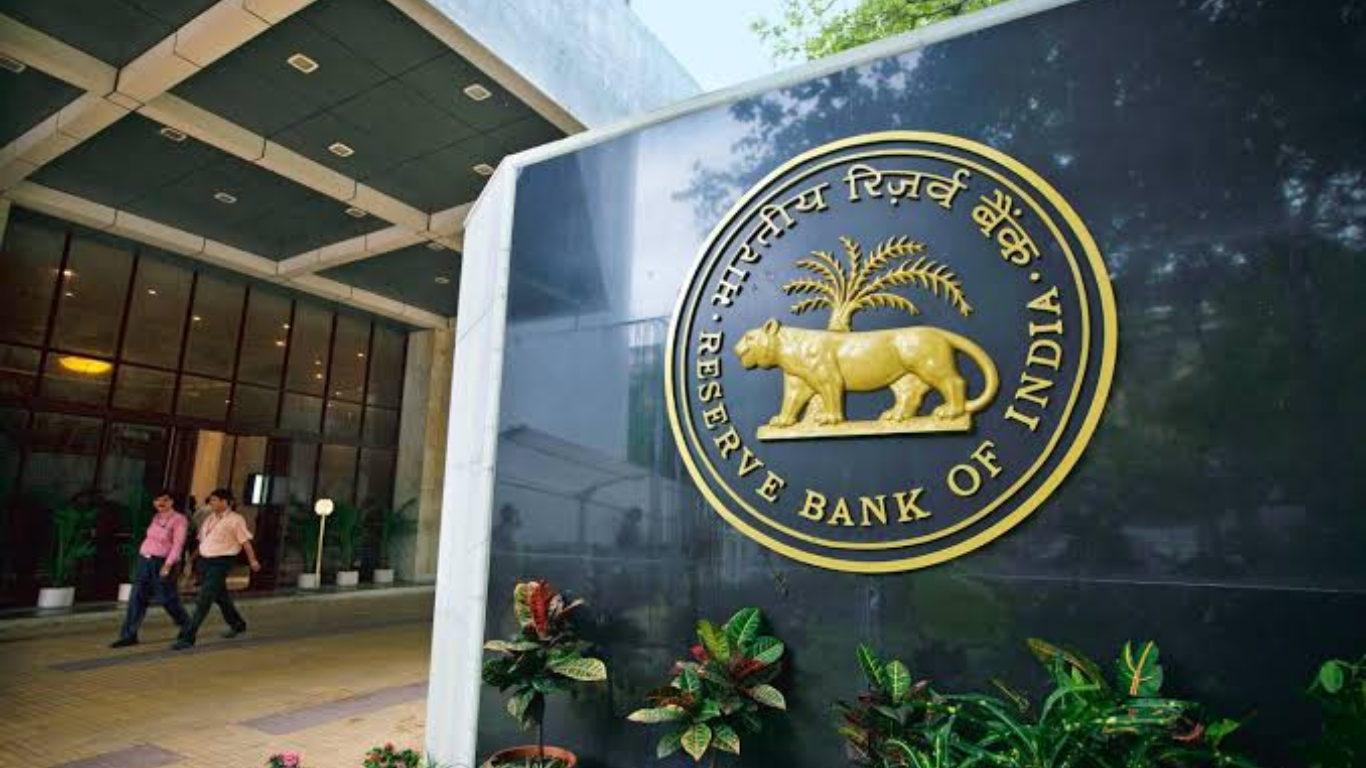
The Reserve Bank of India raised its benchmark interest rate by 25 basis points to 5.50%, marking its first rate increase in nearly four years as the central bank responds to renewed inflationary pressures.
The RBI’s Monetary Policy Committee increased the repo rate from 5.25%, reversing the easing cycle that had seen borrowing costs fall over the past year.
The rate hike comes as rising crude oil prices threaten to push up inflation and widen pressure on India’s external position. The Indian rupee has also remained under pressure, adding to concerns over imported inflation.
India’s consumer inflation rose to 4.82% in August, moving further above the RBI’s medium-term target of 4%.
Along with the rate increase, the central bank changed its policy stance to “calibrated tightening”, signalling that it is prepared to take further action if inflationary pressures persist.
RBI Governor Sanjay Malhotra indicated that the central bank’s next move would likely be either another rate increase or a pause, effectively ruling out a near-term rate cut.
Despite the tighter monetary stance, the RBI raised its forecast for India’s economic growth in the fiscal year 2026-27 to 7.1% from 6.7%, reflecting stronger-than-expected economic activity.
The latest decision marks a significant shift for India’s monetary policy after a period of rate cuts aimed at supporting economic growth. The central bank must now balance continued strong growth with the risk that higher energy costs could keep inflation elevated.
Higher interest rates generally increase borrowing costs for households and businesses while helping curb demand and inflation. The move could therefore affect lending rates, investment decisions and consumer spending across the Indian economy.


