
IMF wants Pakistan to remove EV tax breaks and deregulate sugar
The IMF has asked Pakistan to liberalise the sugar market and reconsider tax concessions for electric vehicles as negotiations over the country’s economic programme continue.
The International Monetary Fund has pressed Pakistan to accelerate reforms in the sugar sector and withdraw preferential tax treatment for electric vehicles as negotiations over the country’s economic programme continue, according to sources familiar with the talks.
The latest discussions have focused on the government’s proposed Auto Policy 2026–31 and the implementation of a national sugar policy, with the IMF seeking measures aimed at reducing government intervention and removing market distortions.
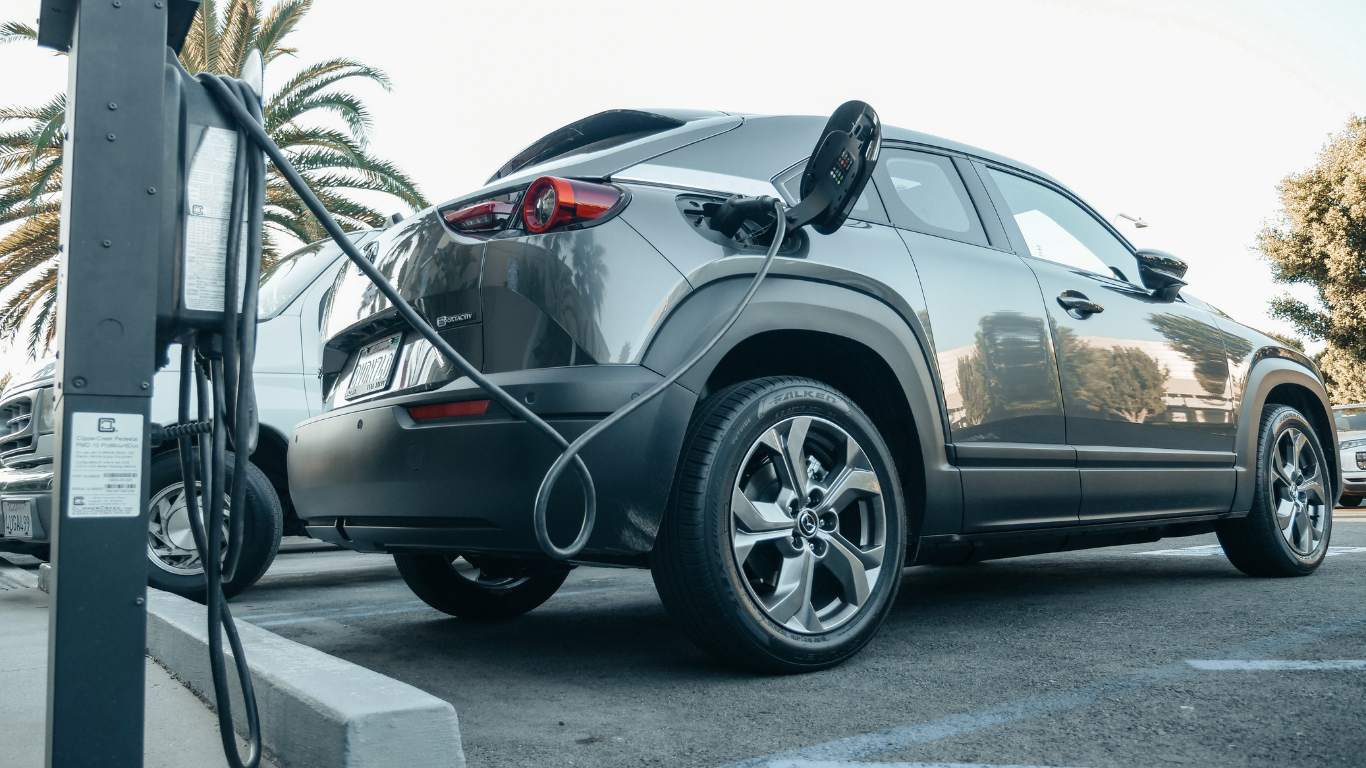
On the auto policy, the IMF has questioned the proposed 1% sales tax rate for electric vehicles, arguing that EVs should not receive preferential treatment compared with other vehicles, according to sources. The government may revise the policy to apply the standard 18% sales tax rate to EVs and related equipment.
The proposed auto policy had included several incentives for electric vehicles, including tax concessions, as part of efforts to promote cleaner transport and expand EV adoption.
Pakistan and the IMF failed to reach agreement on the draft Auto Policy 2026–31 during recent discussions, with the Fund seeking additional information and raising objections to several provisions. The policy is expected to be revised before being presented for final approval.
The IMF’s position comes as Pakistan seeks to reshape its automotive sector through lower tariffs, greater competition, increased exports and wider adoption of electric vehicles. Under the draft policy, customs duties on conventional vehicles were proposed to fall by up to 80% over five years, while EVs and other new-energy vehicles were to receive preferential treatment.
Sugar sector reforms
The sugar sector is another major issue in the IMF discussions.
The Fund has been seeking a national sugar-market liberalisation policy covering licensing, price controls, import and export permissions and zoning.
Under the reform framework, Pakistan has committed to reducing government intervention in the sugar market and allowing greater room for private-sector participation. The IMF’s programme documents specifically call for removing restrictions on sugarcane growing and processing, easing trade restrictions and ending formal and informal price controls.
Pakistan has yet to fully implement the reform. The government missed the June 2026 deadline for adopting the national sugar-market liberalisation policy after one province raised reservations, while the other three provinces agreed to the proposed framework, according to officials cited in recent parliamentary proceedings.
The IMF has argued that reducing government intervention would improve price discovery, encourage private investment and increase efficiency in the sugar market. Its programme documents also call for liberalising imports and exports under transparent rules and removing zoning and licensing restrictions.
The latest discussions are part of Pakistan’s broader negotiations with the IMF, which include fiscal, energy, trade and structural reforms. The Fund has repeatedly called for reducing market distortions and excessive regulatory intervention as part of the programme.
The government is expected to revise the auto policy in light of the IMF’s objections, while discussions over the sugar policy remain ongoing. No final agreement on the proposed EV tax changes has been announced.


