
Malaysia agrees to increase imports of Pakistani rice
Additional purchase could help Pakistani exporters regain market share as Islamabad pushes to expand agricultural trade with Malaysia
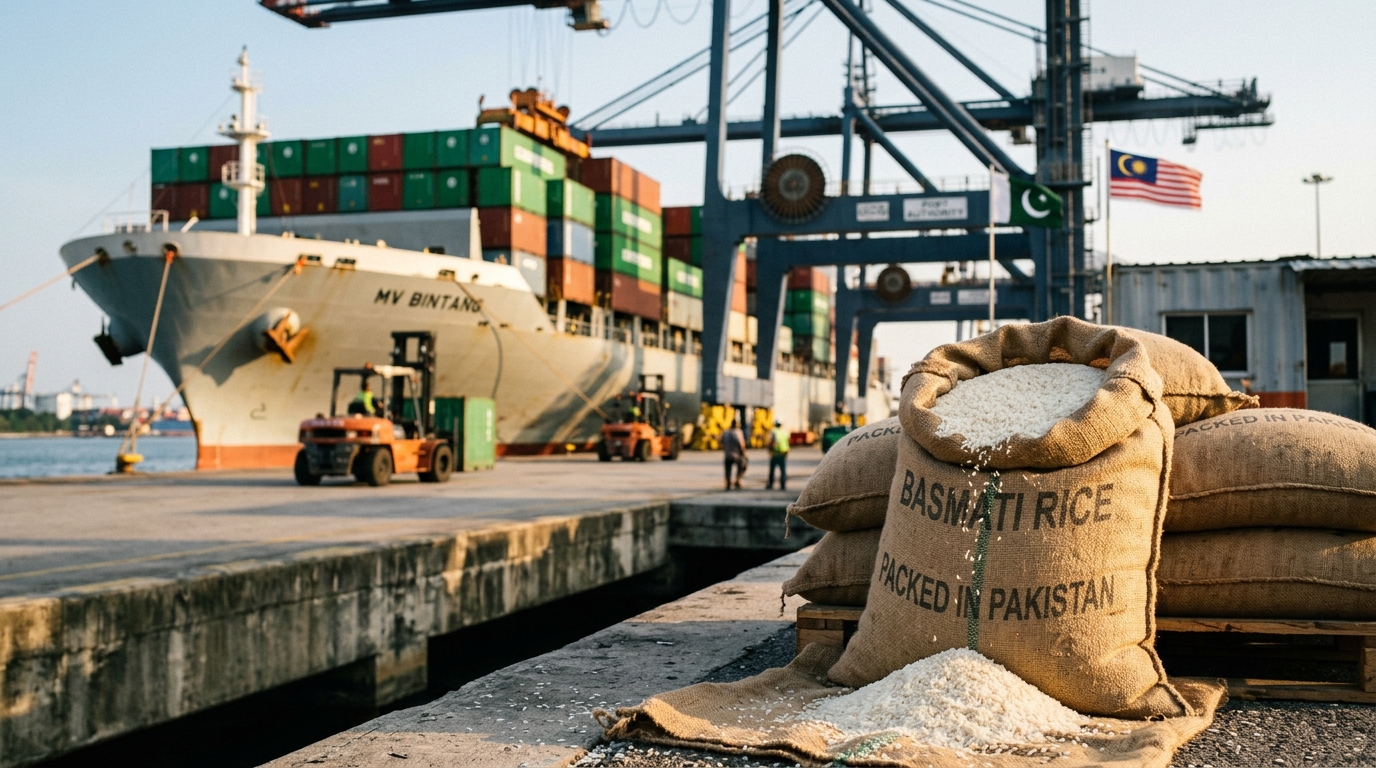
Malaysia has agreed to strengthen cooperation on rice imports from Pakistan, opening an opportunity for Pakistani exporters to increase shipments to the Southeast Asian market as Islamabad seeks to expand agricultural trade.
The understanding was reached during high-level meetings in Kuala Lumpur between Pakistani officials, Malaysia’s national rice agency BERNAS and other agricultural authorities, according to Pakistan’s Press Information Department. The discussions focused on expanding Pakistani rice exports while ensuring compliance with Malaysian quality standards.
Separately, people familiar with the trade discussions told Profit that Malaysia is expected to import an additional 70,000 tonnes of Pakistani rice ahead of the arrival of Pakistan’s new crop. The figure has not been specified in the government’s official announcement, so the additional purchase should be treated as a source-reported development rather than an officially announced government commitment.
The potential increase comes as Pakistan works to rebuild its position in the Malaysian rice market. Pakistan exported rice worth about USD 127.6 million to Malaysia in 2025, according to UN Comtrade data, down sharply from the previous year.
In 2024, Pakistan supplied Malaysia with about 382,000 tonnes of rice worth USD 235.4 million, according to trade data cited in the latest reporting. Malaysia imported roughly 1.7 million tonnes of rice that year, making the country an important destination for international suppliers.
The development is significant for Pakistan’s rice industry, which has faced pressure from lower international prices and stronger competition. Rice remains one of Pakistan’s major agricultural export products, generating billions of dollars in foreign exchange each year.
The latest talks also highlight the importance of BERNAS in the Malaysian market. Malaysia’s rice industry relies heavily on imports to supplement domestic production, while BERNAS plays a central role in the country’s rice-import system.
Pakistan’s broader trade relationship with Malaysia also provides room for expansion. Bilateral trade was about USD 1.5 billion in 2023-24, with Pakistan exporting rice, seafood, meat, onions, potatoes, textiles and other products to Malaysia. Pakistan’s major imports from Malaysia include palm oil and petroleum-related products.
The latest engagement was not limited to rice. Pakistani and Malaysian officials also discussed halal certification, meat, poultry, fisheries, aquaculture, animal vaccines, biosecurity and halal gelatin, according to the government. The two sides agreed to establish a mechanism for continued engagement, beginning with a joint virtual meeting in November.
Halal certification is particularly important for Pakistan’s plans to increase food exports to Malaysia. Officials discussed cooperation between Malaysia’s JAKIM and the Pakistan Halal Authority to improve certification procedures and facilitate greater access for Pakistani halal products.
For Pakistani rice exporters, the reported 70,000-tonne purchase could provide additional demand ahead of the new crop. The bigger opportunity, however, will be converting the latest engagement with BERNAS into more consistent orders and longer-term access to the Malaysian market.


