
Oil prices fall as Trump signals pause in Iran strikes
Oil prices declined on Friday after Donald Trump said the US would not attack Iran before November's midterm elections, easing immediate supply concerns. Brent crude fell to USD 102.91 a barrel, while WTI dropped to USD 90.40.
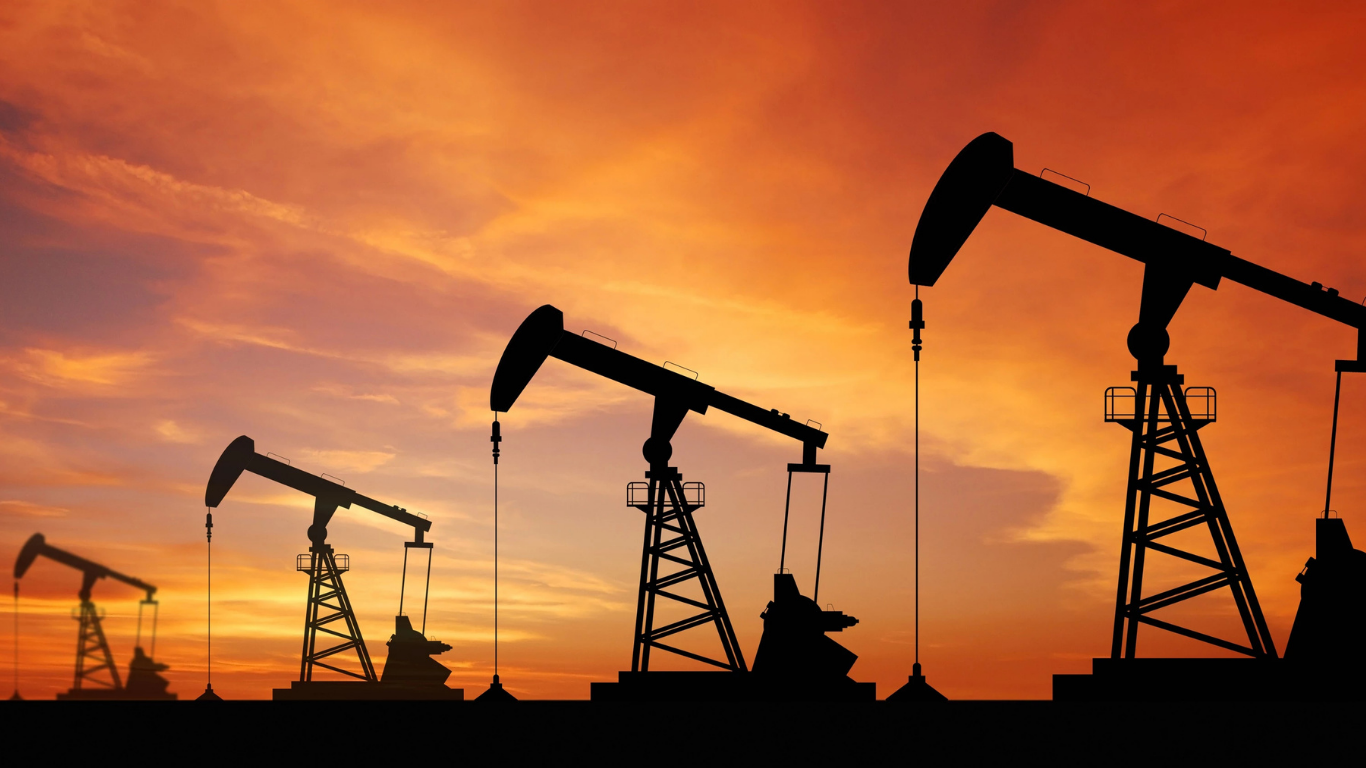
Global oil prices fell on Friday after US President Donald Trump said Washington would not attack Iran before next month's midterm elections, easing concerns about further disruptions to crude supplies from the Middle East.
Brent crude futures fell USD 1.37, or 1.3%, to USD 102.91 a barrel, while US West Texas Intermediate (WTI) crude declined USD 1.09, or 1.2%, to USD 90.40 by 0450 GMT, according to market data reported by Reuters.
The decline followed Trump's remarks on Thursday that the United States was holding productive discussions with Iran to end the conflict, which has disrupted global energy markets.
The comments eased fears of an immediate escalation, although uncertainty over the outcome of negotiations and the security of oil shipments continues to weigh on market sentiment.
Iran is reviewing a US response to a proposal that could reopen the Strait of Hormuz within seven days, according to Iran's Tasnim news agency. The waterway is a critical global energy route that handled about one-fifth of worldwide oil and fuel shipments before the conflict.
Despite Friday's decline, Brent remained on course for a weekly gain after settling around 4% higher on Thursday amid increased attacks on shipping carrying crude from the Middle East. WTI, meanwhile, was set for a slight weekly decline.
Oil prices have remained volatile as traders assess the risks of further attacks on vessels, restrictions on Iranian oil exports and potential disruptions to regional energy supplies.
Washington also announced fresh sanctions on Thursday targeting individuals, networks and 17 vessels involved in transporting Iranian crude oil, petroleum products and petrochemicals, signalling that economic pressure on Tehran would continue despite diplomatic contacts.
Additional supply concerns have emerged in the United States, where Hurricane Isaias has forced offshore producers to shut in a significant share of oil production in the Gulf of Mexico.
Meanwhile, China's planned resumption of refined fuel exports after a temporary pause during its Golden Week holiday could help ease tight supplies of diesel, gasoline and jet fuel. The International Energy Agency has also agreed to accelerate the release of oil stocks, with priority given to diesel supplies.
Market analysts caution that a sustained decline in oil prices will depend on concrete progress in negotiations and improved safety for shipping through the Strait of Hormuz. Any renewed escalation or prolonged disruption to tanker movements could push prices higher again.


