
Pakistan rice export volumes surge nearly 150% in September
Pakistan’s rice export volumes surged nearly 150% in September, putting the spotlight on overseas demand and the crop’s contribution to export earnings.
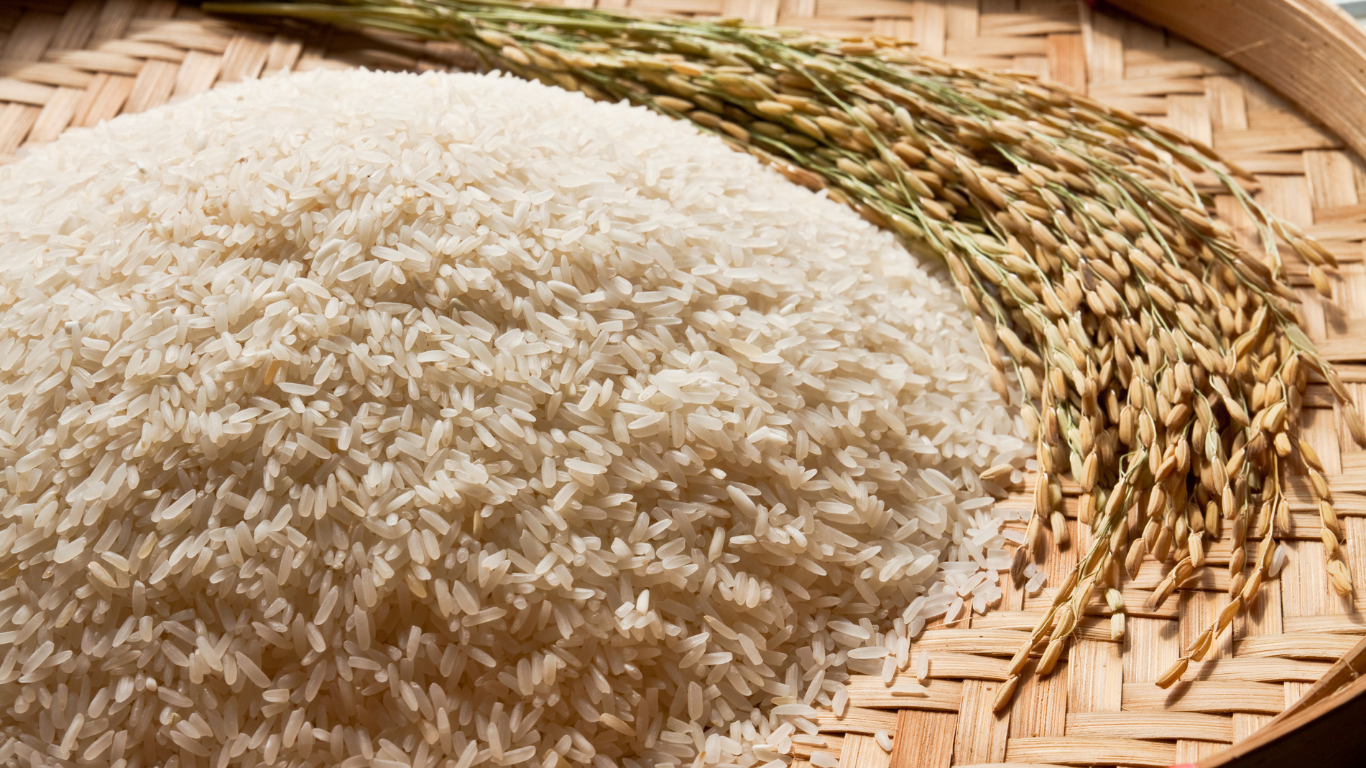
Pakistan’s rice export volumes surged nearly 150% year-on-year in September 2026, with shipments reaching around 414,000 tonnes, according to data from the Rice Exporters Association of Pakistan (REAP).
The jump puts rice in focus as Pakistan looks to strengthen export receipts and generate foreign exchange through its agricultural sector. Rice is among the country’s key food exports, with both basmati and non-basmati varieties serving international markets.
The increase in shipments, however, does not tell the full story. Export earnings also depend on international prices, the varieties being sold and the markets receiving Pakistani rice.
Why rice matters to Pakistan’s exports
Rice plays an important role in Pakistan’s agricultural trade, earning foreign exchange while supporting a supply chain that includes growers, millers, processors and exporters.
Basmati occupies the premium end of the market, prized for its aroma and long grains, while non-basmati rice serves a broader range of buyers. Demand across these segments can shift depending on prices, crop availability and competition from other exporting countries.
A sustained increase in shipments could strengthen rice’s contribution to Pakistan’s overall export performance. Whether that translates into a comparable rise in revenue will depend on the value of the rice sold alongside the volume shipped.
The challenge is sustaining the growth
A strong month does not necessarily signal a lasting change in export performance. Buyers can bring forward orders, prices can fluctuate and shipment volumes can vary considerably between months.
For Pakistan’s rice sector, maintaining competitiveness will require consistent quality, reliable supplies and pricing that can compete with other major exporters.
The September surge is a positive signal for the sector, but the more important test will be whether Pakistan can maintain higher shipment volumes and turn them into stronger export earnings in the months ahead.
Written by
Abdul Habib Khan
Editor
Habib Khan is a Pakistani journalist, writer and editor covering business, the economy, markets and real estate. He has worked with leading Pakistani media organizations. You may reach him at habib.khan@fyipk.com

