
Pakistan’s cotton arrivals rise 7.5% as textile industry struggles
Pakistan’s cotton arrivals increased 7.53% year-on-year to 4.08 million bales by October 15, but rising production costs and concerns over imported textile inputs continue to weigh on the industry.
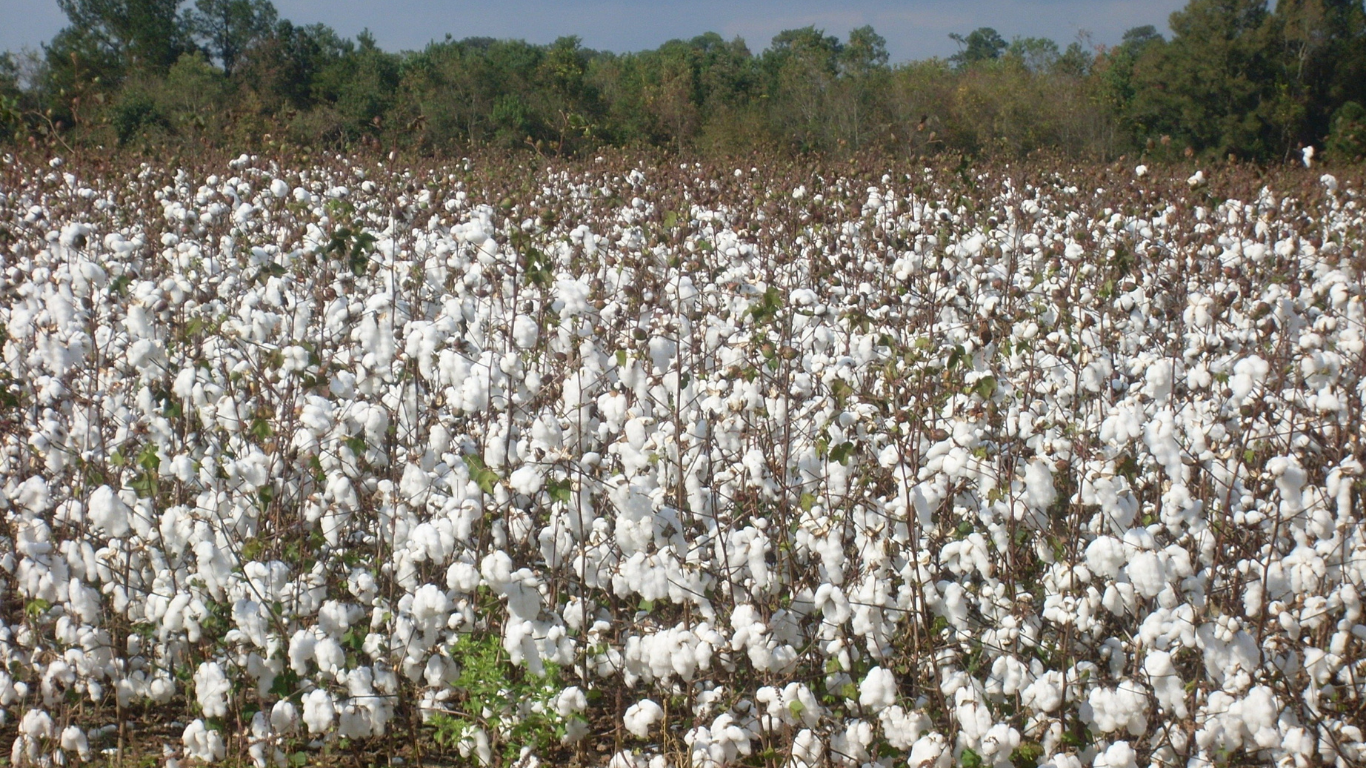
Pakistan’s cotton arrivals increased 7.53% year-on-year to 4.08 million bales by October 15, but the improvement in supplies has done little to ease mounting pressure on the country’s cotton and textile industries.
According to the Pakistan Cotton Ginners Association (PCGA), arrivals reached 4,081,265 bales during the period, up from 3,795,637 bales recorded a year earlier, an increase of 285,628 bales.
Despite the rise, industry representatives say high production costs and concerns over the implementation of the Export Facilitation Scheme (EFS) are contributing to factory closures and weakening domestic manufacturers.
Around 500 ginning factories and more than 150 textile mills are reportedly closed, while nearly half of the country’s power looms are said to be idle, highlighting the difficulties facing different stages of Pakistan’s cotton value chain.
Sindh accounts for the largest share of arrivals
Sindh recorded 2,442,768 bales by October 15, up 7.35% from 2,275,542 bales during the corresponding period last year.
Punjab’s arrivals rose 7.79% to 1,638,497 bales from 1,520,095 bales a year earlier.
Balochistan recorded 180,607 bales, an increase of 30.36% from 138,550 bales during the same period last year, according to the reported provincial figures.
District-level data showed Sanghar in Sindh leading cotton arrivals with 1,137,903 bales, while Bahawalnagar was Punjab’s largest contributor with 418,750 bales.
The higher arrivals indicate an improvement in the volume of cotton reaching ginning factories compared with last season. However, arrivals alone do not establish whether the country will meet its overall cotton requirements or whether the industry’s financial and operational challenges are easing.
Textile industry faces rising costs and import competition
Industry representatives have attributed the worsening situation to high production costs and concerns about imported yarn and fabric entering Pakistan’s domestic market under the EFS.
The scheme allows eligible businesses to import inputs for export-oriented production under specified conditions. Ginners allege that some imported yarn and fabric brought in under the scheme are being sold in the local market instead of being used for goods intended for export.
If such imports enter the domestic market in breach of the scheme’s conditions, local manufacturers could face additional competitive pressure. However, the allegations require verification and should not be treated as established violations.
The reported closures point to a wider challenge for Pakistan’s cotton economy, which connects farmers, ginning factories, spinning units, textile mills and power looms.
When factories reduce or suspend operations, the consequences can extend beyond industrial owners to workers, cotton growers and businesses supplying the sector.
Why higher cotton arrivals are not enough
The increase in arrivals is a measure of the cotton reaching ginning factories, not a direct indicator of the textile industry’s overall health.
The sector’s performance also depends on the cost of electricity and other inputs, access to competitively priced raw materials, domestic and international demand, and the ability of manufacturers to operate profitably.
Pakistan’s textile industry is a major source of export earnings, making sustained disruption across its supply chain an economic concern. Weakness in domestic cotton production can also increase the need for imported raw cotton, exposing manufacturers to international prices and adding pressure to foreign exchange spending.
The latest arrivals figures therefore present a mixed picture: more cotton has reached ginning factories than at the same point last year, but industry representatives continue to report widespread operational difficulties.
The extent to which the seasonal improvement translates into stronger domestic supply and industrial activity will depend on the final crop output, the cost of production and the resolution of concerns surrounding the treatment of imported inputs under export facilitation rules.


