
Tanker shortage and soaring freight costs threaten global oil supply
JPMorgan warns that a shortage of oil supertankers and soaring freight costs could disrupt global oil supplies and keep energy prices elevated
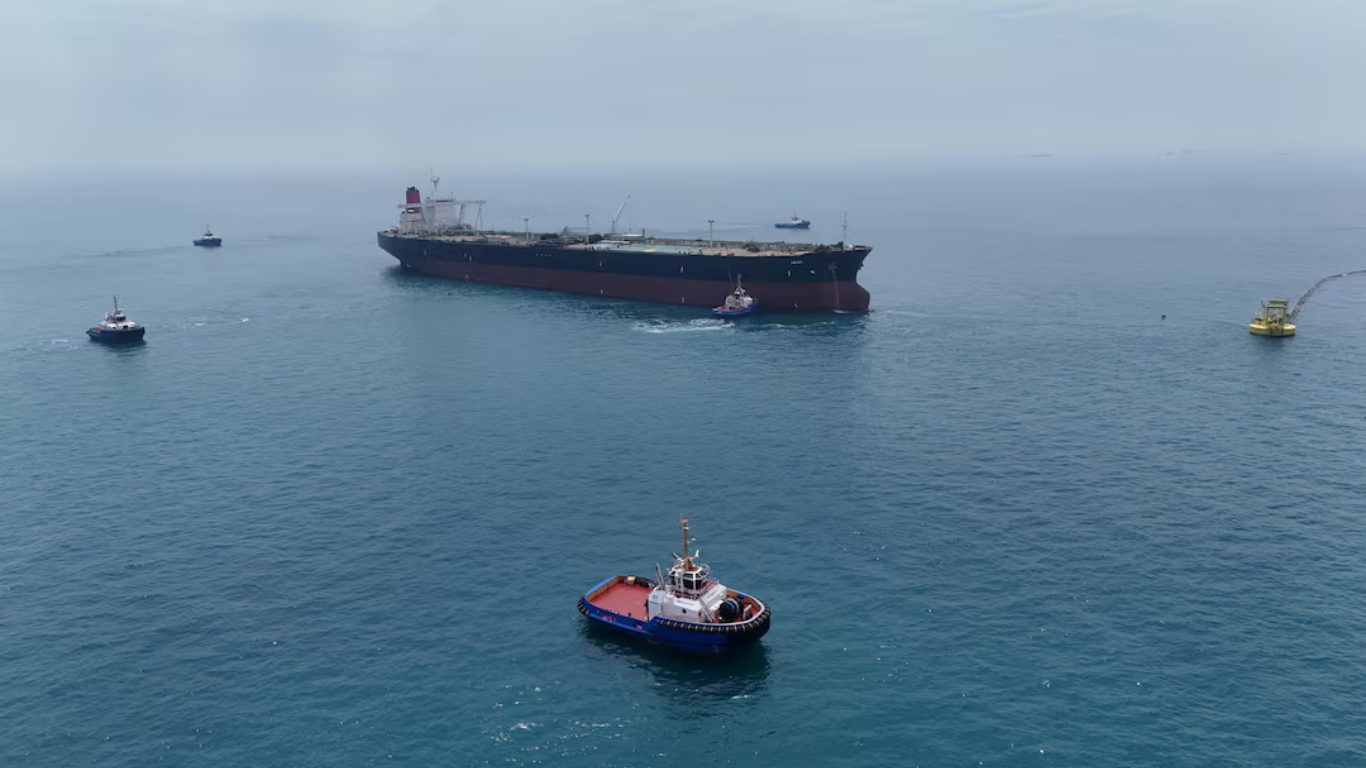
A shortage of oil supertankers and a sharp increase in shipping costs are threatening global oil supplies, raising concerns that logistical disruptions could keep crude and fuel prices elevated even as exports from the Middle East recover.
JPMorgan has warned of mounting pressure on the global energy market as the cost and availability of vessels become increasingly important factors in determining how much oil reaches refineries and at what price.
The disruption comes as the oil industry continues to adjust to conflict-related risks around the Strait of Hormuz, a key shipping route for global energy supplies. Although crude exports through the waterway have recovered, transporting oil has become more complicated and expensive.
According to Reuters, tanker rates on the Middle East-to-Asia route have exceeded USD 1.2 million per day, compared with roughly USD 30,000 per day in January. Shipping and insurance costs have become a major component of delivered oil prices, adding to pressure on refiners and fuel markets.
The shortage is being aggravated by an inefficient system in which tankers move oil through the Strait of Hormuz before transferring cargoes to other vessels outside the waterway. These arrangements tie up ships for longer periods, leaving fewer vessels available for other routes.
Longer voyages from the United States and other Atlantic Basin suppliers to Asian markets are adding to demand for tanker capacity. Freight rates for shipments of US crude to Asia have also surged, making some cargoes less competitive for refiners.
Reuters reported that chartering a very large crude carrier to transport 2 million barrels of US crude from the Gulf of Mexico to China reached USD 80 million for a November shipment in the week leading up to October 9.
Higher transportation costs are forcing refiners to reconsider where they source crude, with some Asian buyers looking towards Middle Eastern and Latin American supplies as alternatives to more expensive US shipments.
The disruption is also affecting the economics of oil production and trade. Some producers have cut crude prices to offset high freight expenses, while refiners face increased costs to secure and transport supplies.
JPMorgan economist Bruce Kasman, the bank's head of global economics, has said that oil prices remain higher than previously expected as shipping costs have surged and petroleum product prices have risen.
The pressure extends beyond crude oil. Reduced refining capacity in parts of the Middle East and Russia has tightened supplies of products such as diesel, increasing the risk that transportation bottlenecks will feed into broader fuel costs.
Vitol Chief Executive Russell Hardy has separately warned that the energy crisis has evolved into a shipping crisis, with insufficient tanker availability threatening the movement of crude despite recovering exports.
The outlook for oil prices will depend partly on whether shipping routes become safer and tanker availability improves. Until trade flows return closer to normal, elevated freight and insurance costs could continue to keep delivered oil prices high, placing pressure on refiners, businesses and consumers.


