
Brent hits five-month high as Middle East tensions push prices above USD 110
Brent crude climbed to USD 110.75 per barrel on October 22, extending a rally that took prices to a five-month high amid escalating Middle East tensions and concerns about oil supply disruptions.
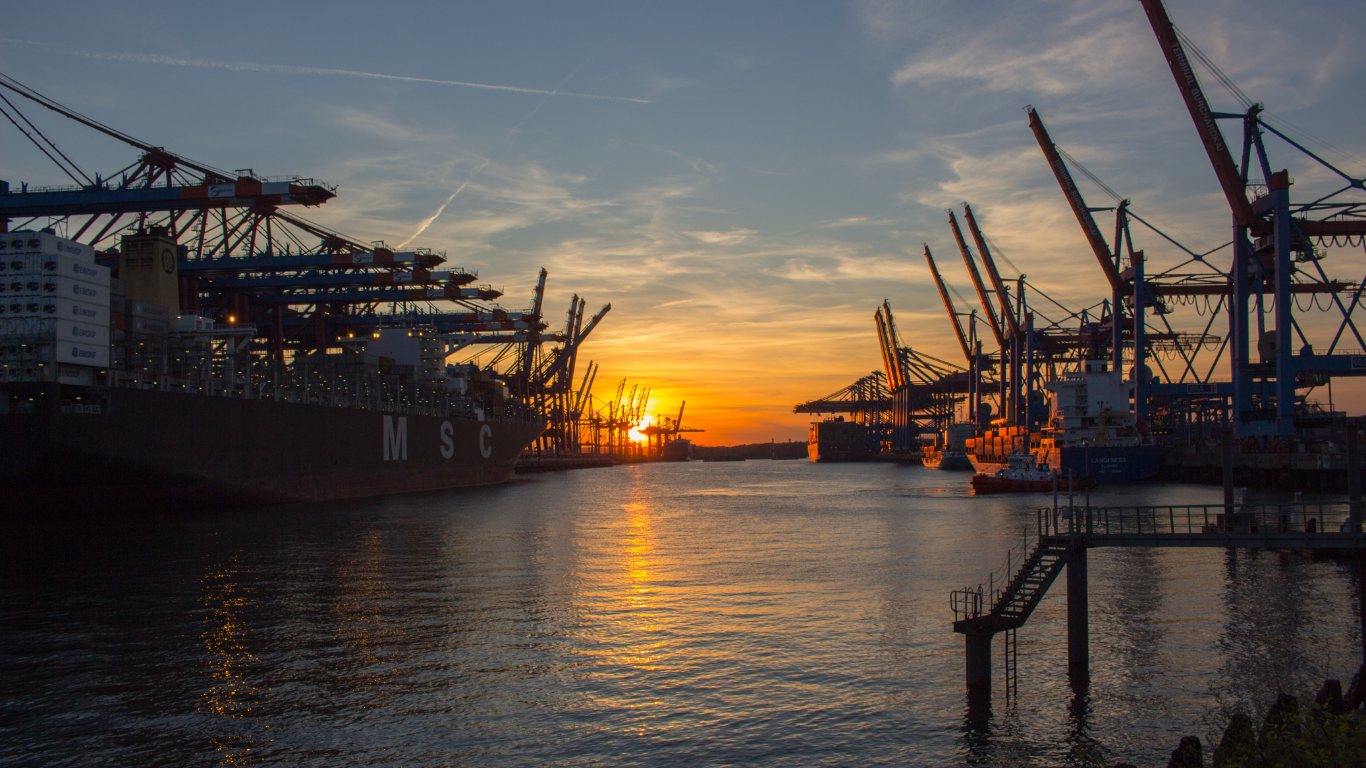
Brent crude oil futures climbed above USD 110 per barrel on Thursday, October 22, as escalating tensions in the Middle East heightened concerns about potential disruptions to global oil supplies.
Brent futures rose USD 1.93, or around 1.8%, to USD 110.75 per barrel, while US West Texas Intermediate (WTI) crude gained USD 1.43 to USD 98.58 per barrel.
The latest increase follows a surge earlier in the week, when Brent crude reached USD 111.05 per barrel on October 20, its highest level since May. The benchmark has therefore returned to levels last seen around five months ago.
Middle East tensions drive oil prices higher
The latest rally comes amid renewed security concerns across the Middle East, including Houthi attacks in Saudi Arabia and incidents involving vessels in the Persian Gulf.
Attacks reportedly targeted a civilian airport in Dammam and a Saudi oil field, adding to concerns about the security of energy infrastructure and shipping routes in the region.
The developments have raised concerns among traders that further escalation could disrupt oil production or transportation, tightening supplies in an already volatile market.
The Strait of Hormuz remains particularly important to global energy markets because a substantial share of internationally traded oil passes through the waterway. Any sustained disruption to shipping through the strait could affect crude supplies and push prices higher.
What a five-month high means
Brent crude's return above USD 110 per barrel marks a significant reversal from the lower levels recorded during the summer.
The benchmark had fallen substantially in June before recovering in July and August. Renewed geopolitical tensions subsequently lifted prices above USD 100 in September, with the latest rally carrying them above USD 110.
The October 20 peak of USD 111.05 per barrel was the highest since May, according to Reuters reporting. Thursday's rise to USD 110.75 kept prices close to that recent high.
However, the current price remains below the substantially higher levels Brent reached earlier in the year. The latest move should therefore be described as a five-month high rather than an all-time or six-month record.
What rising oil prices mean for Pakistan
Higher international oil prices can increase Pakistan's petroleum import bill, putting pressure on the country's external account and potentially increasing the cost of domestic fuels.
The impact on petrol and diesel prices in Pakistan depends on several factors, including international product prices, the exchange rate, import costs, taxes and the government's periodic fuel-price adjustments.
If elevated crude prices persist, Pakistan could face additional pressure on fuel costs, transportation expenses and inflation. Higher energy costs can also feed into electricity generation, industrial production and the prices of goods and services.
However, the rise in Brent crude alone does not automatically translate into an equivalent increase in local petrol or diesel prices. The domestic impact will depend on the duration of the international price increase and the next official fuel-price assessment.
For now, traders are watching developments in the Middle East, the security of oil-shipping routes and any signs of further supply disruptions to determine whether crude prices will sustain their recent gains.


