
Pakistan imposes 9.03% provisional duty on Chinese pharmaceutical packaging foil
Pakistan's NTC has imposed a four-month provisional duty on Chinese Alu Alu foil after preliminary findings of dumping and injury to domestic manufacturers.
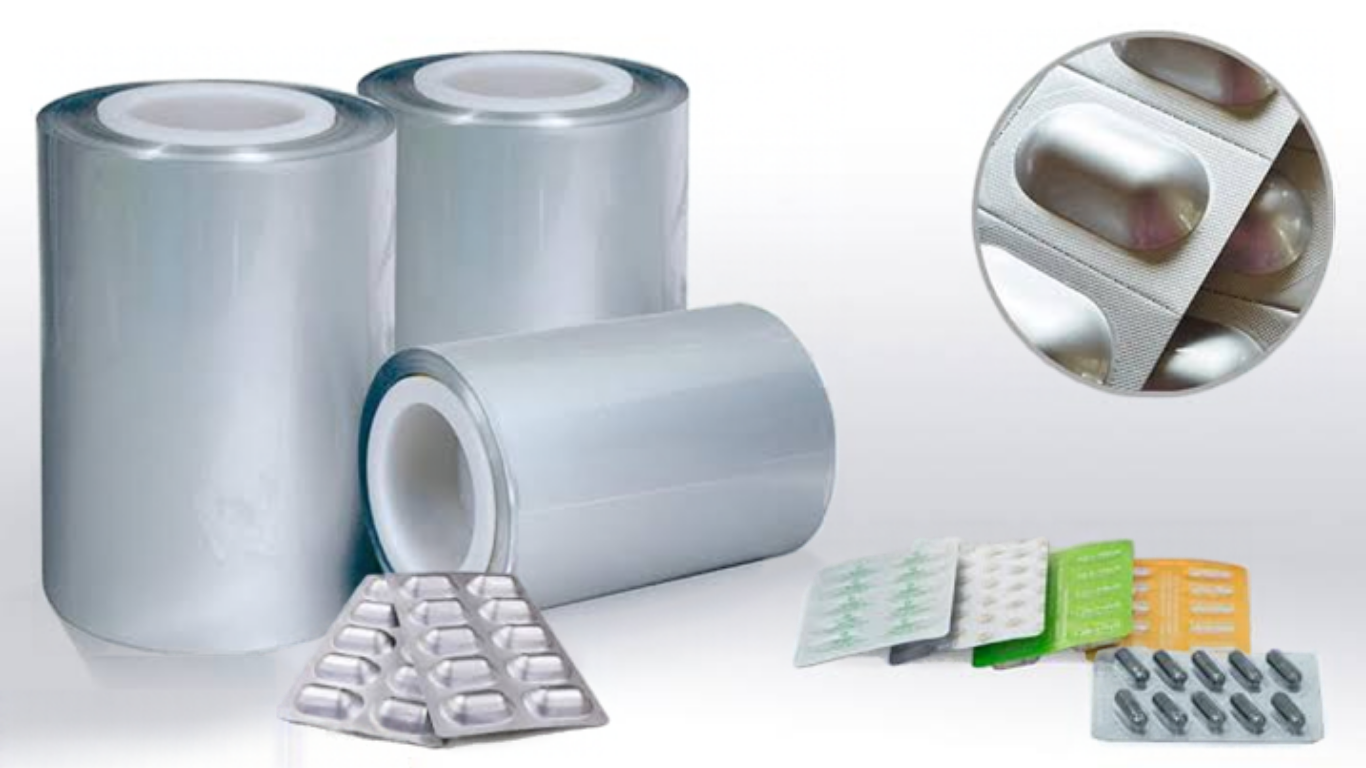
Pakistan's National Tariff Commission (NTC) has imposed a provisional anti-dumping duty of 9.03% on specified pharmaceutical packaging foil originating in or exported from China, aiming to protect domestic manufacturers from unfairly priced imports.
The measure covers Alu Alu foil, including cold-forming foil and tropical foil, used in the packaging of tablets and capsules. The duty will remain in force for four months from the publication of the relevant notice in the press, while the commission continues its investigation.
According to the NTC's preliminary determination, the affected products fall under Pakistan Customs Tariff codes 7607.1990 and 7607.2000.
The investigation was initiated on July 23, 2026, following an application by Lahore-based Zenith Packages Industries (Pvt.) Limited.
Why has Pakistan imposed the duty?
The NTC's preliminary assessment found that imports of the targeted product from China were being sold at dumped prices and had caused material injury to the domestic industry.
The commission identified a significant increase in dumped import volumes, price undercutting, price depression and price suppression among the factors contributing to the injury.
The assessment also found deterioration in the domestic industry's market share, sales, production, productivity, capacity utilisation, profits, profitability and return on investment.
Other reported effects included pressure on inventories, salaries and wages, growth and the industry's ability to raise capital.
The commission selected a provisional duty rate of 9.03%, based on the injury margin, rather than imposing a duty equal to the full dumping margin.
What is Alu Alu foil used for?
Alu Alu foil is a specialised packaging material used by pharmaceutical and nutraceutical manufacturers to protect tablets and capsules.
It combines aluminium with specialised polymer layers, including oriented polyamide film and/or polyvinyl chloride, to produce blister packaging that helps protect medicines from moisture, oxygen, heat and light.
Because the material is used in pharmaceutical packaging, the duty affects a manufacturing input rather than directly imposing a new tax on medicines sold to consumers.
What does the duty mean for pharmaceutical companies?
The measure could improve the competitive position of domestic manufacturers producing the targeted packaging material by making covered imports more expensive.
However, pharmaceutical companies that rely on imported Alu Alu foil could face higher procurement costs, depending on their sourcing arrangements, the availability of local alternatives and the extent to which the additional cost can be absorbed or passed on.
The impact will vary between companies. The provisional duty does not establish that all pharmaceutical manufacturers will face higher costs, nor does it confirm that medicine prices will rise.
Potential implications for PSX investors
For investors tracking pharmaceutical stocks on the Pakistan Stock Exchange (PSX), the key consideration is which companies use the affected packaging material and how much they rely on imports from China.
Domestic producers of the targeted foil could potentially benefit from reduced price competition, while drugmakers that import the material may face cost pressures.
However, the effect on individual companies' earnings and share prices cannot be established from the duty announcement alone. Company-level sourcing information and the material's share of production costs would be needed to assess the financial impact.
Final determination still pending
The NTC's measure is provisional, not a final ruling. The investigation covers the period from April 1, 2025, to March 31, 2026, for the dumping assessment, while material injury was assessed over April 1, 2023, to March 31, 2026.
Registered interested parties may request a hearing within 15 days of publication of the notice in the press. The commission is required to make its final determination within 180 days of publication of the preliminary determination notice.
The final outcome will determine the longer-term status of the anti-dumping measure.


