
Japan raises policy rate to 1.25% as split vote surprises markets
Central bank signals further hikes remain possible as Gov. Kazuo Ueda takes a hawkish stance on inflation.
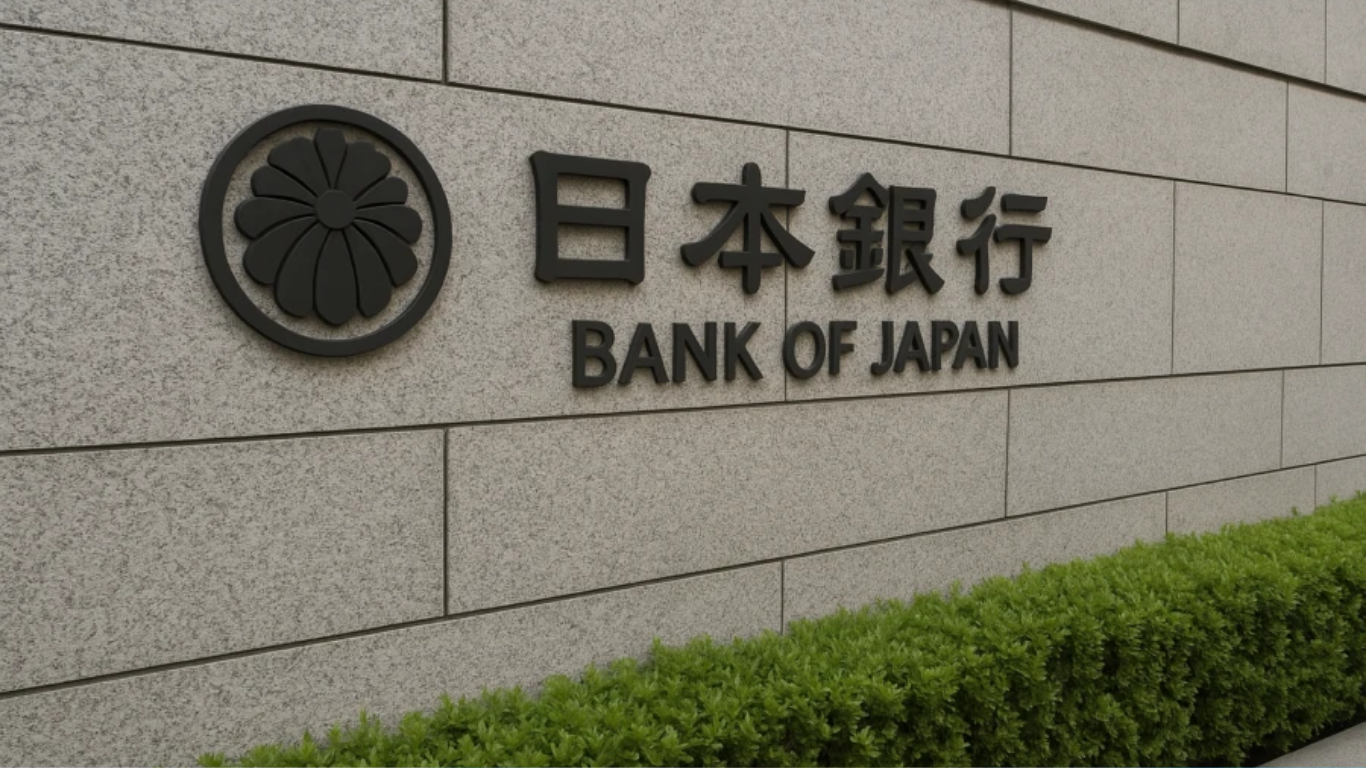
The Bank of Japan raised its policy interest rate to 1.25% on Thursday, in line with market expectations, but a split vote surprised investors and weakened the yen.
The BOJ voted 7-2 to raise the rate, with its two newest board members opposing the increase and favoring no change.
Despite the divided vote, the central bank signaled that further rate increases remain possible, saying it would continue raising its policy rate while expecting financial conditions to remain accommodative even after the latest move.
BOJ Gov. Kazuo Ueda struck a hawkish tone at a news conference, indicating that the central bank’s policy focus has shifted from stimulating inflation to stabilizing underlying inflation around its 2% target.
Ueda did not provide specific guidance on the timing or pace of future increases, nor indicate where interest rates could eventually settle.
Fitch Ratings said the decision was in line with its expectations and that the impact on Japan’s sovereign rating would depend largely on its effect on the government bond yield curve, particularly the 10-year Japanese government bond yield.
“The BOJ hiked its policy rate to 1.25% today in line with our expectations,” Jeremy Zook, senior director of APAC Sovereign Ratings at Fitch Ratings, said.
Zook said it remained uncertain whether the rate increase and expectations for faster monetary tightening would place significant upward pressure on longer-term bond yields.
A faster pace of tightening could instead help contain medium-term inflation expectations, he said.
Fitch maintains Japan’s sovereign rating at A with a stable outlook. Zook said the rating had room to absorb higher government borrowing costs.
“We expect the government debt ratio to be able to maintain a downward trend over the next five years even with the 10-year JGB around 3% and accounting for a loosening in fiscal policy, supported by well-entrenched inflation,” Zook said.
The BOJ’s latest move comes as Japan seeks to balance persistent inflation with the risk that tighter monetary policy could weigh excessively on financial conditions.


