
LPG prices may drop by up to PKR 50 per kg as Iranian supplies resume
Pakistan could see lower LPG prices following clearance for Iranian LPG bowzers, with FPCCI's Ali Haider projecting a reduction of up to PKR 50 per kilogram.
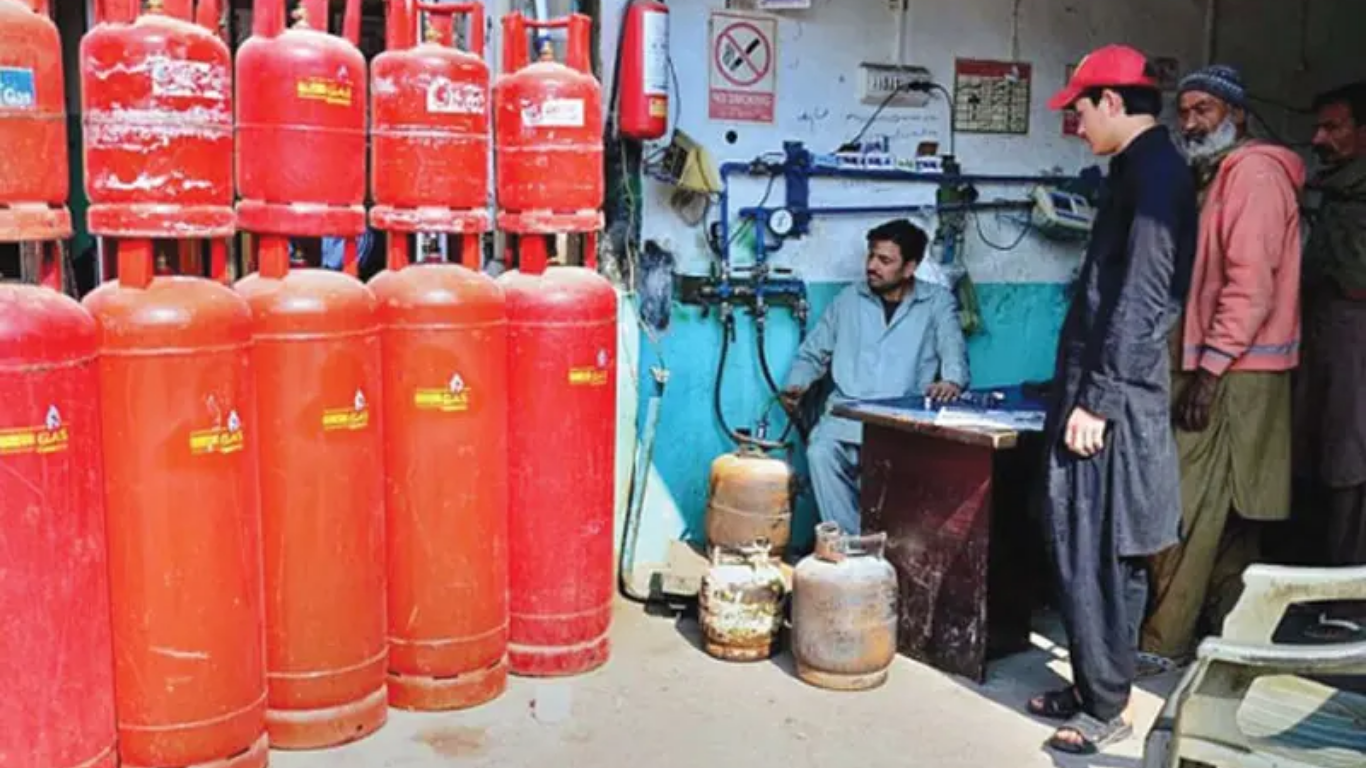
Consumers facing high liquefied petroleum gas (LPG) prices could get relief of up to PKR 50 per kilogram as Iranian supplies are expected to improve availability in Pakistan, according to Ali Haider, convener of the LPG Standing Committee at the Federation of Pakistan Chambers of Commerce and Industry (FPCCI).
Haider said Iranian LPG bowzers loaded by October 16 had been allowed to enter Pakistan, with around 900 consignments expected to improve domestic supplies and ease pressure on prices.
He said LPG prices could begin declining within 24 hours, with a reduction of up to PKR 50 per kilogram possible over the next one to two days.
The expected price reduction depends on the arrival of the consignments and an improvement in market supply. The forecast does not represent an officially notified price cut.
Ali Haider questions OGRA's LPG pricing formula
Haider criticised the Oil and Gas Regulatory Authority's (OGRA) formula for determining LPG prices, arguing that rates should be reviewed weekly rather than monthly.
He said a weekly pricing mechanism would allow prices to respond more quickly to changes in supply and market conditions.
Under the existing monthly approach, consumers may not immediately benefit from improvements in availability, while market prices can fluctuate in response to supply disruptions.
Pakistan imports 22,000 tonnes of LPG in October
Haider said Pakistan imported five LPG cargo vessels during October, bringing total imports for the month to around 22,000 tonnes.
He estimated Pakistan's daily LPG demand at 12,000 to 13,000 tonnes, while Karachi's daily demand stood at between 4,000 and 5,000 tonnes.
According to Haider, the commercial sector accounts for around 40% of Karachi's LPG consumption, while industry accounts for another 30%.
The arrival of additional supplies could help ease price pressures on households and businesses that rely on LPG for cooking, commercial operations and industrial activities.
However, the extent of any price reduction will depend on how quickly the consignments reach the market and whether the additional supply translates into lower retail rates.
Written by
Abdul Habib Khan
Editor
Habib Khan is a Pakistani journalist, writer and editor covering business, the economy, markets and real estate. He has worked with leading Pakistani media organizations. You may reach him at habib.khan@fyipk.com


