
Coke Studio’s ‘Peechay Hutt’ lands in Netflix film Best of the Best
Coke Studio’s Peechay Hutt has landed on Netflix through the new dance comedy Best of the Best, giving the 2022 Pakistani track another international audience. The Xulfi-produced song joins a soundtrack featuring artists including BLACKPINK, Hanumankind and AR Rahman.
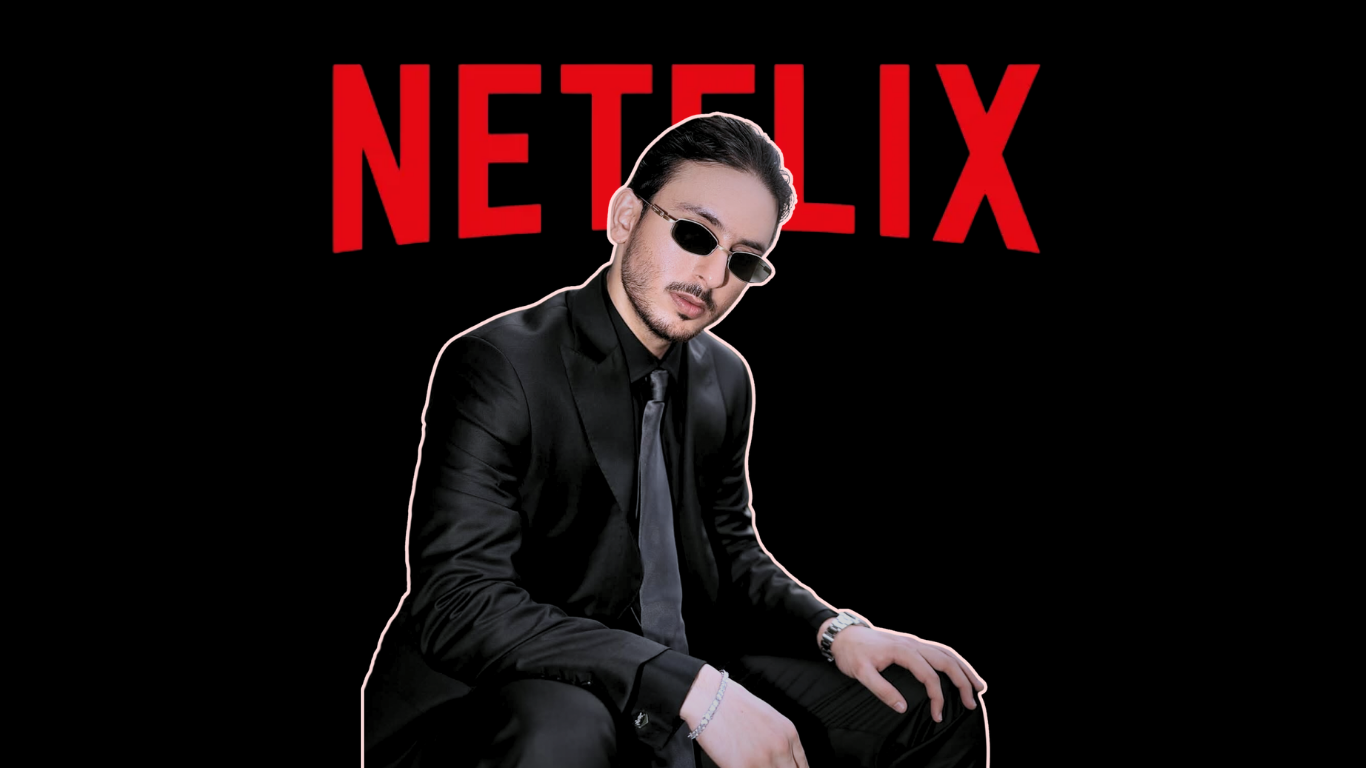
Pakistani music has found another international platform as Coke Studio track Peechay Hutt features in Netflix’s new dance comedy Best of the Best.
Music producer Xulfi, who led the track’s production, congratulated the team behind the song in an Instagram post on Wednesday, highlighting its appearance in the film.
“Representation is what puts us on the global map,” Xulfi wrote, saying music can introduce audiences to a country’s identity, history and cultural expression. He described the song’s inclusion in a Hollywood production as part of that wider reach.
Peechay Hutt was released in 2022 as part of Coke Studio Season 14. The track features vocals from Hasan Raheem and Justin Bibis, with Talal Qureshi contributing its electro-pop production.
The Netflix placement follows another major milestone for Xulfi and Coke Studio. Pasoori, which he also curated and produced, recently became the first Pakistani-made music video to cross one billion views on YouTube. It was also featured in Ms. Marvel.
It is important to note that Pakistani music has long found audiences beyond the country, with tracks such as Strings’ “Najane Kyun” featuring in Hollywood productions like Spider-Man 2.
At the time of publication, the Peechay Hutt music video had recorded more than 28 million views on YouTube.
The track appears alongside music from international artists including BLACKPINK, Hanumankind and AR Rahman in the Best of the Best soundtrack.
Directed by Lena Khan and co-written by Hasan Minhaj and Prashanth Venkataramanujam, the film follows childhood friends Maya and Anjali as they join a university Bollywood-fusion dance team and compete for a US championship. The story explores friendship and South Asian cultural identity.
The film has also drawn criticism over a joke referencing the 2021 Kabul evacuation, with critics arguing that the line trivialises the trauma surrounding the event.


