
Pakistan economy shows broader recovery in early FY27
Finance Ministry sees manufacturing, agriculture and external inflows strengthen, oil prices remain key risk
Pakistan’s economy showed signs of a broader recovery during the first two months of fiscal year 2027, with improvements across manufacturing, agriculture and the external sector, the Finance Ministry said in its latest economic outlook.
The ministry said economic activity was gaining momentum as vehicle production and sales increased, domestic cement dispatches rose and output in several large-scale industries improved.
Agriculture also showed early signs of recovery, with higher Kharif cash-crop cultivation and encouraging cotton arrivals pointing to stronger activity in the sector.
The improvement across productive sectors is gradually supporting related areas including trade, transportation and services, the ministry said.
External sector gains momentum
Pakistan’s external position strengthened during the period, helped by higher workers’ remittances and continued growth in information technology exports, which contributed to narrowing the current account deficit.
Foreign direct investment also increased, while portfolio investment returned to a net inflow. Foreign exchange reserves continued to build, giving the country a stronger buffer against external financing pressures and potential external shocks.
Fiscal performance remained broadly on track, with tax collection aligned with targets during the first two months of FY27. Monthly fiscal data also continued to show a primary surplus, according to the ministry.
The government said the developments reflected gradual progress in maintaining fiscal and external stability while allowing economic activity to recover.
Credit expands as activity improves
The stabilization process is also being supported by greater access to financing, particularly for agriculture, housing and livelihoods.
Agricultural lending, affordable housing finance and livelihood financing continued to expand, while overseas employment remained an important source of foreign exchange and household income.
The government said it would continue to focus on productive investment, broader financial inclusion, stronger revenue collection and tighter control over public spending.
Oil prices remain key threat
Despite the improving outlook, elevated international oil prices remain the main risk to Pakistan’s economy, the ministry said.
Higher crude prices could raise the country’s import bill, increase production and transportation costs and put additional pressure on household purchasing power.
To limit the impact on vulnerable households, the government has introduced the Prime Minister’s Fuel Relief Scheme, which provides targeted assistance through a digital payment mechanism.
It has also introduced fuel-conservation and austerity measures, including cutting fuel allocations for official vehicles used for non-operational purposes by 50%, restricting purchases of new vehicles and durable goods, and limiting official travel.
The measures are intended to provide temporary support to lower-income households while containing pressure on the import bill and maintaining fiscal discipline.
Growth outlook improves
The Finance Ministry expects economic activity to strengthen further during FY27 as the recovery expands across agriculture and manufacturing and private-sector credit grows.
Higher remittances and services exports are expected to continue supporting household incomes and the external account, while stronger foreign exchange reserves and renewed access to international capital markets could provide additional protection against external shocks.
Inflation, however, is expected to remain elevated in the near term. The ministry projects headline consumer inflation at 10%-11% in September FY27, with the future path largely dependent on international oil prices.
The government said its fuel relief approach was designed to protect purchasing power without lowering the petroleum levy, allowing assistance to remain targeted while preserving fiscal discipline.
The ministry said its priorities going forward include faster revenue mobilization, keeping relief measures temporary and targeted, and maintaining progress on energy and tax reforms.
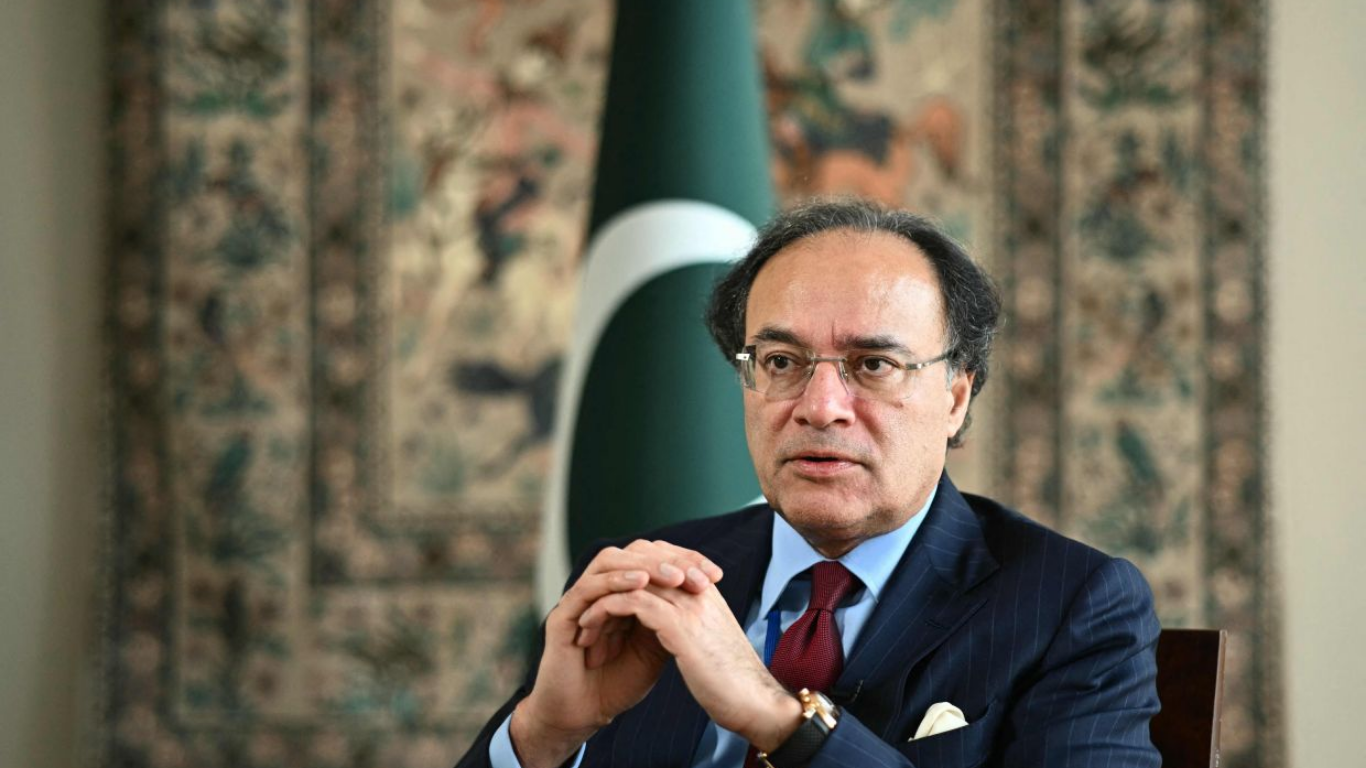
Web image caption: Pakistan’s economy is showing broader signs of recovery in manufacturing, agriculture and external-sector activity, although higher international oil prices remain a key risk to growth and inflation.
Written by
Abdul Habib Khan
Editor
Habib Khan is a Pakistani journalist, writer and editor covering business, the economy, markets and real estate. He has worked with leading Pakistani media organizations. You may reach him at habib.khan@fyipk.com


